The reliance on artificial intelligence and machine learning is no longer a novel concept in marketing.
A global survey by SurveyMonkey found that 88% of marketers now use AI in some capacity to speed up processes and improve decisions.
One area where machine learning continues to show clear value is sentiment analysis.
This method applies natural language processing to interpret user opinions in real time, especially within fast-moving and feedback-heavy environments.
Its growth reflects that shift as the global market for sentiment analysis software was valued at $2.1 billion in 2024 and is projected to reach $6.85 billion by 2033.
The scope of its application in marketing is both wide and expanding.
While some teams use it to monitor online feedback, others rely on it to shape tone, adjust brand messaging, and measure audience response across platforms.
In today’s article, let’s discuss the practical applications of sentiment analysis and how you can implement these techniques to build stronger brand credibility for your business.
How to Monitor What People Say About Your Brand
Sentiment analysis allows marketing teams to monitor how their brand is being received across public platforms in real time.
Instead of relying on surface-level impressions, teams can base brand decisions on measurable sentiment trends.
According to a 2025 Gartner survey, 90% of buyers look for social proof to compare products before purchasing, including user reviews, public comments, and visible engagement from others.
Instead of scanning thousands of comments manually, sentiment analysis helps extract layers of insight at scale.
It’s no secret that public sentiment can shift quickly because a sudden spike in negative reactions, for example, might signal a problem that needs immediate attention.
When marketers work with this kind of insight, they don’t have to guess.
They can adjust their approach based on how people are responding, making brand communication more focused, consistent, and easier to trust.
Tracking Local Events and Reactions
Sentiment analysis doesn’t have to focus only on brand mentions or your product reviews.
It can also help track public sentiment tied to specific events or locations. This is especially relevant for service-based industries that rely on trust and awareness.
In areas like healthcare, law, or safety, knowing what people are reacting to in real time creates space for meaningful and timely communication.
Let’s take personal injury law firms, for instance. Many of them scan local reports and online conversations to identify regional incidents that could require legal assistance.
A recent incident happened on June 30, where a serious crash at the intersection of Piedmont Avenue and Monroe Drive in Midtown Atlanta left two people dead and three others in critical condition.
Police said the reason for the crash was that a Tesla ran a red light and struck a box truck. The area was closed for several hours as emergency crews responded.
In situations like this, people often turn to a car accident lawyer in Atlanta for guidance and support. Firms that respond with relevant updates or resources build visibility and credibility when people need it most.
According to TorHoerman Law, experienced legal professionals help injured parties secure compensation for medical expenses and lost income.
This also includes property damage and other losses resulting from crashes caused by negligent behavior.
Sentiment analysis tools can monitor news feeds and social media discussions around such events, helping law firms understand public sentiment and community concerns.
This thoughtful approach allows legal practices to gauge when and how to communicate their services appropriately without appearing opportunistic during sensitive times.
Watching How Customer Needs Change Over Time
Customers do not adopt features simply because they exist.
They adopt features when they understand the value.
This is one of the most important roles of Feature Adoption Videos.
The video should not only explain what a feature does. It should show why the customer should care.
2.1 Focus on Benefits Instead of Technical Details
SaaS companies often make feature videos too technical.
They explain buttons, settings, and specifications without explaining the outcome.
A better approach is to connect the feature to a customer problem.
For example, instead of saying:
“The platform includes automated workflow triggers.”
Explain the result:
“Automatically move leads through your sales pipeline without manually updating every record.”
The second message is easier to understand.
It also communicates a direct benefit.
As a result, customers can quickly recognize why they should try the feature.
2.2 Create Quick Wins
Users are more likely to adopt a feature when they experience value quickly.
A good feature adoption video can guide users toward a simple first success.
For example, a project management SaaS product could show users how to create an automated task workflow in under a few minutes.
Once the user sees the result, they are more likely to explore additional functionality.
This creates a positive product experience.
Over time, these small wins can encourage deeper product usage.
3. SaaS Feature Adoption Videos Improve Engagement and Conversions
Feature adoption and conversions are closely connected.
When customers use more valuable features, they often develop a deeper relationship with the product.
That relationship can influence important business outcomes.
3.1 Encourage Users to Explore More Features
Many SaaS customers use only a small percentage of the features available to them.
This creates an opportunity for product teams.
Feature videos can introduce users to tools they may not know about.
For example, a SaaS analytics platform might have advanced reporting, custom dashboards, automated alerts, and team collaboration features.
A customer may only use basic reports.
A short feature video can introduce automated alerts and explain how they save time.
The customer then has a reason to explore the feature.
This increases product engagement.
3.2 Support Free Trial Conversions
Feature adoption videos can also help users during free trials.
Trial users need to experience value before deciding whether to become paying customers.
If they only use basic features, they may not understand the full value of the platform.
Feature videos can guide them toward important capabilities.
For example, a project management platform can show trial users how automation, reporting, and team collaboration work.
When users experience more value during the trial, they may become more likely to convert.
3.3 Improve Customer Retention
Feature adoption does not stop after conversion.
Existing customers also need education.
New features can provide additional value and give customers more reasons to continue using the platform.
Regular feature videos can introduce these improvements in a simple format.
This creates an ongoing learning experience.
As customers discover more ways to use the product, the software can become more deeply integrated into their daily workflows.
4. How to Create a High-Converting SaaS Feature Adoption Video
Not every feature video will increase adoption.
The content needs to be relevant, simple, and focused on the user’s needs.
A successful video should feel like a helpful guide rather than a sales advertisement.
4.1 Start With the Customer Problem
The opening should immediately explain why the feature matters.
For example:
“Still spending hours creating weekly reports manually?”
This opening creates a clear problem.
Then, introduce the feature as the solution.
This structure helps users understand the purpose before seeing the interface.
A strong hook also improves viewer engagement.
4.2 Demonstrate the Feature Step by Step
After introducing the problem, show the feature.
Keep the demonstration focused.
Avoid unnecessary menus and technical information.
Instead, show the exact steps required to achieve the desired result.
Screen recordings, cursor highlights, zoom effects, annotations, and motion graphics can help guide the viewer.
These elements make complex workflows easier to follow.
4.3 End With a Clear Action
Every adoption video should tell users what to do next.
For example:
“Open your dashboard and activate automated reporting today.“
This creates a clear connection between the video and product usage.
Without a CTA, users may understand the feature but still not try it.
Therefore, the final step should always encourage action.
5. Why Professional SaaS Feature Adoption Video Production Matters
Creating a simple screen recording is easy.
However, creating an engaging adoption video requires more than recording software.
The video needs a clear script, strong visual hierarchy, good pacing, and customer-focused storytelling.
This is where professional production can help.
Sentiment analysis isn’t only useful at the moment. Over time, it helps reveal how customer expectations are changing.
A product that once met needs may no longer feel adequate if buyers begin comparing it to newer alternatives. Language in feedback shifts gradually.
What used to be considered a bonus in 2020 may start sounding like a basic requirement in 2025.
For example, free shipping was once seen as a perk. Now, almost 66% of customers expect it as a standard offering, especially for orders above a certain value.
Brands that don’t match these expectations may face increased negative sentiment, even if the product itself performs well.
By reviewing sentiment data across months or quarters, marketers can catch early signs of changing priorities.
If complaints about speed, packaging, or usability begin to rise, those signals are worth acting on. Ignoring these subtle shifts can lead to tone-deaf messaging or product features that fall flat.
Sentiment analysis helps maintain a current view of what customers value now, not what they valued two years ago.
That clarity makes it easier to write copy, shape offers, and position the brand in a way that still feels relevant.
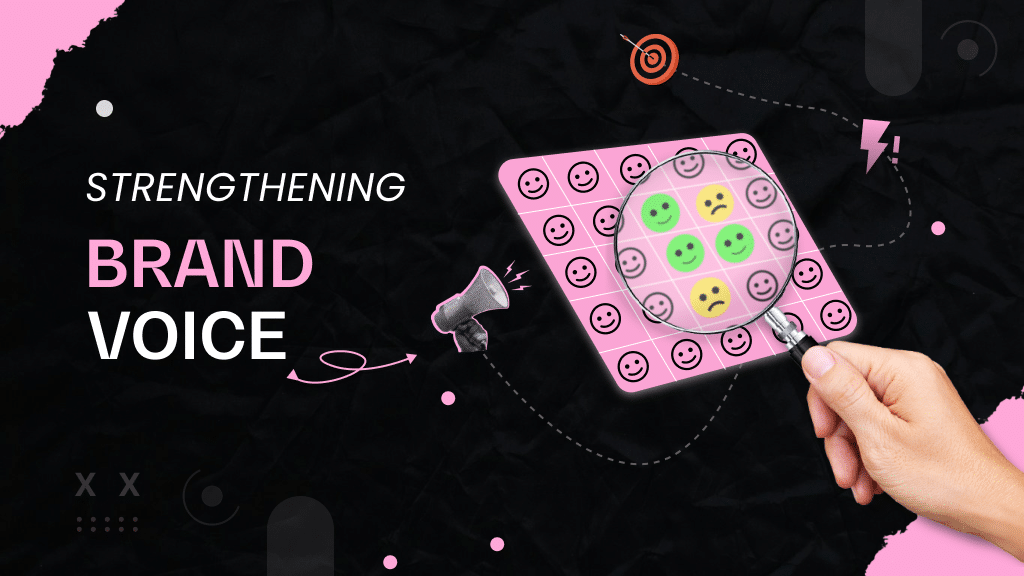
How to Keep Your Brand Voice Consistent
There is no thumb rule for maintaining a consistent brand voice across different marketing channels.
Email campaigns, website content, and advertising materials often carry conflicting emotional tones that confuse audiences and weaken brand identity.
Sentiment analysis tools evaluate email subject lines, body content, and marketing materials to ensure they align with the intended brand personality.
For example, a financial services company might discover that its newsletter content reads as overly aggressive while its website copy appears too casual. This disconnect creates mixed signals for customers.
Companies can establish sentiment benchmarks that reflect their desired brand personality and apply these standards across all content channels.
When brand voice remains consistent, customers develop stronger emotional connections, and trust levels increase significantly.
Conclusion
Sentiment analysis functions as the invisible hand that guides customer psychology toward brand preference.
This technology reveals emotional patterns that traditional analytics miss completely.
Modern consumers make purchasing decisions based on feelings first, then justify them with logic later.
So, when your brand aligns its tone and messaging with how customers feel, you’ll stand a better chance of being remembered and chosen over your competitors.